


When I turned 47 last year, I found myself at a crossroads, asking a powerful question: How can I feel more aligned in my body and mind? The answer wasn’t in drastic overhauls or extreme measures. Instead, it was in small, intentional shifts – the kind that, over time, transform how you feel, move, and live.
For years, I believed that wellness had to be complicated. That fitness required long, exhausting workouts. That eating well meant rigid meal plans. That self-care was something you squeezed in when everything else was done. But after 47, my body had other ideas.
The fatigue hit. The weight crept on. My joints ached. And no matter how much I worked out, nothing seemed to change. That’s when I stopped chasing extremes and started focusing on what actually worked for me.
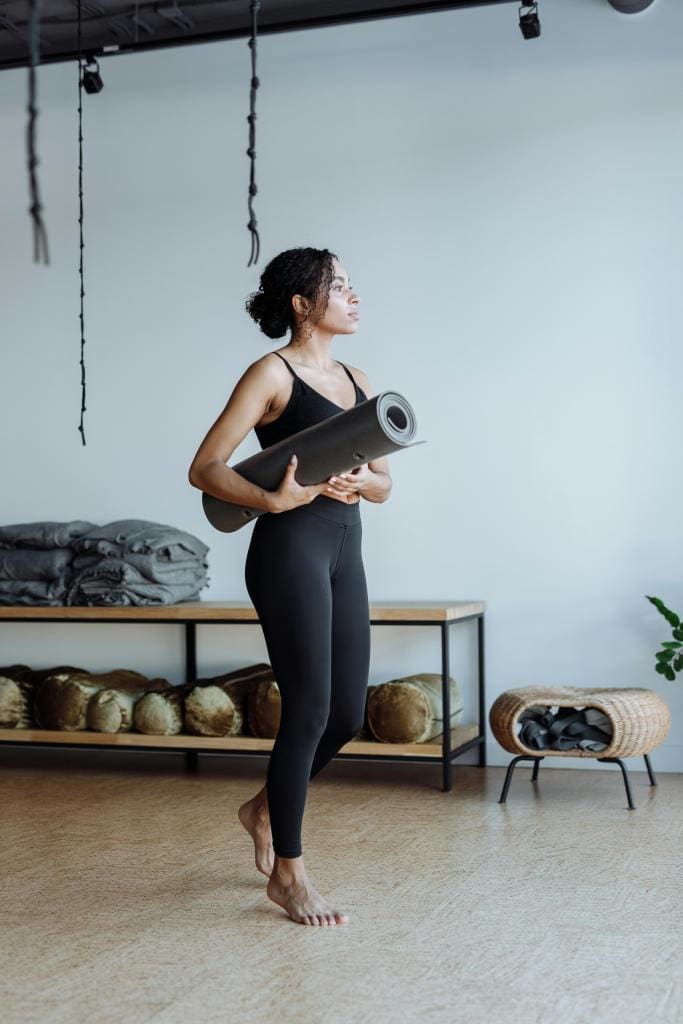
The Power of Short, Consistent Workouts
I used to think that if I wasn’t spending hours in the gym, it didn’t count. That if I didn’t push myself to exhaustion, I wasn’t doing enough. But the truth is, long workouts aren’t always better, especially for midlife women navigating hormonal shifts.
Instead, I committed to just 15 minutes a day of effective, intentional movement. And everything changed.
I got stronger, my metabolism woke up, and I started building muscle instead of losing it.
I lost stubborn belly fat, not from endless cardio, but from the right mix of strength and conditioning.
I stopped feeling exhausted, my energy returned, my sleep improved, and I felt more balanced.
I finally felt like myself again, confident, capable, and in control of my body.
Stronger, Healthier, Happier: Why Every Midlife Woman Should Strength Train

Midlife is a time of transformation. It’s a time when your body starts to feel different – perhaps less resilient, a little less energetic, and sometimes even a bit unrecognisable. But here’s the truth: you are not powerless in this transition. Strength training isn’t just about lifting weights; it’s about lifting yourself – lifting your energy, your confidence, and your quality of life.
Why Shorter, Daily Workouts Are More Effective Than Long Sessions
For years, we’ve been told that fitness requires long gym sessions, but science and experience tell a different story, especially for women in midlife and menopause.
The Science Behind Shorter, Daily Workouts
Hormonal Balance & Reduced Stress
Long workouts, especially intense cardio, increase cortisol levels (the stress hormone).
Elevated cortisol leads to fat storage, muscle loss, and fatigue.
Shorter workouts, particularly strength training and Pilates, reduce stress and help balance hormones.
Increased Metabolism & Muscle Retention
After 40, muscle loss accelerates, slowing metabolism.
Short, strength-based workouts stimulate muscle growth and keep metabolism active without overtaxing the body.
Improved Consistency & Habit Formation
A 15-minute workout is easier to fit into a busy day, meaning you’re more likely to stick with it.
Research shows daily movement creates long-term habits, while sporadic long workouts often lead to inconsistency.
Better Recovery & Less Joint Strain
Overtraining leads to joint pain, inflammation, and burnout.
Short, targeted workouts allow for better recovery, making movement enjoyable instead of punishing.
Boosts Energy & Cognitive Function
Exercise increases blood flow to the brain, boosting mental clarity and focus.
A quick morning workout can be more energising than caffeine!
Embracing Lifelong Fitness Through Menopause: Strength, Vitality & Confidence at Every Stage

Becoming Her means choosing strength, not just physical but emotional, mental, and spiritual. In this season of my life, I’m learning that movement isn’t about chasing perfection; it’s about honouring this body that’s carried me through so much. This post is a love letter to the strength we build as we evolve, especially through menopause.
