


We often speak about love, trust, or communication as the pillars of a healthy relationship, but what if there’s one quiet, often-overlooked component that holds it all together? In midlife, as we evolve and grow through the seasons of partnership, it becomes clear that relationships aren’t built on grand gestures, but on consistent, intentional choices. This article explores the often unseen yet essential component that nourishes connection and creates the kind of relationship where both people feel safe, seen, and supported.

Whether they be romantic, familial, or platonic, healthy relationships are typically characterised by several key components:
Trust: Trust is foundational in any relationship. It involves believing that the other person will act with integrity, honesty, and in your best interest. Breaches in trust, like dishonesty or betrayal, can be damaging, though not irreparable, with effort and commitment.
Communication: Open, honest, and effective communication is essential. This means both speaking and listening actively, expressing needs, understanding, and seeking to be understood.
Respect: Treating each other with respect involves valuing and acknowledging each other’s feelings, wishes, and rights. It also means avoiding actions or words that are harmful or demeaning.
Boundaries: Healthy relationships have established boundaries that respect individual rights and feelings. These boundaries ensure that each person feels safe and valued.
Equality: Each person has an equal say and equally invests in the relationship. Decisions are made together, and each person’s input is valued.
Independence: While sharing time and experiences is crucial, it’s also important for each person to maintain their sense of self and independence outside the relationship.
Empathy: The ability to understand and share the feelings of another person is crucial. It involves being attuned to each other’s emotions and offering support when needed.
Affection: Physical and emotional expressions of love, care, and appreciation, like hugging, complimenting, or saying “I love you,” can strengthen bonds.
Conflict Resolution: Disagreements and conflicts are natural in any relationship. However, the key lies in addressing them constructively, without resorting to blame, avoidance, or aggression.
Shared Experiences and Interests: While it’s essential to have individual interests, shared experiences and common interests can strengthen the bond between people.
Support: A healthy relationship involves mutual support in both good and challenging times. This means being there for each other, offering help, encouragement, and understanding.
Growth and Adaptation: As individuals change and grow, the relationship must adapt. Recognising, appreciating, and accommodating personal growth and changes ensures the relationship remains healthy.
Intimacy: For romantic relationships, emotional and sometimes physical intimacy is an important component. This intimacy is built on trust, respect, and open communication.
Commitment: Being dedicated to the relationship and working towards its longevity and health is crucial.
“In every lifetime, I believe that each soul is given one mate. Don’t get me wrong, I think that a person can fall in love more than once. But finding your soul mate is a different matter altogether. You don’t just love that person; you adore him or her. That person is your world. Your reason for living. The one thing in this life that will make everything OK. When you find your soul mate, you’ve found your purpose. To love that one person. To experience life with that one person.“
Interview with Jessica Drake: Intimacy in Menopause

When we talk about menopause, the first things that usually come to mind are hot flushes, sleepless nights, and mood changes. What’s less often spoken about, sometimes even in whispers, is how menopause affects intimacy, desire, and our connection to our bodies. For many midlife women, this can feel like the most isolating part of the transition. That’s…
A Gift for Your Soul: The Midlife Connection Journal
Somewhere along the way in our busy, competent lives, many of us forget what true connection feels like. We learn to become self-sufficient, protective of our hearts, and hyper-focused on everyone else’s needs.
But belonging was never something you had to earn; it is your birthright.
The Midlife Connection Journal is a gentle, 10-day guide designed to help you soften back into yourself. Each day offers a simple, nourishing prompt, a small connection challenge, and an empowering affirmation to help you remember that you were never meant to do life alone.
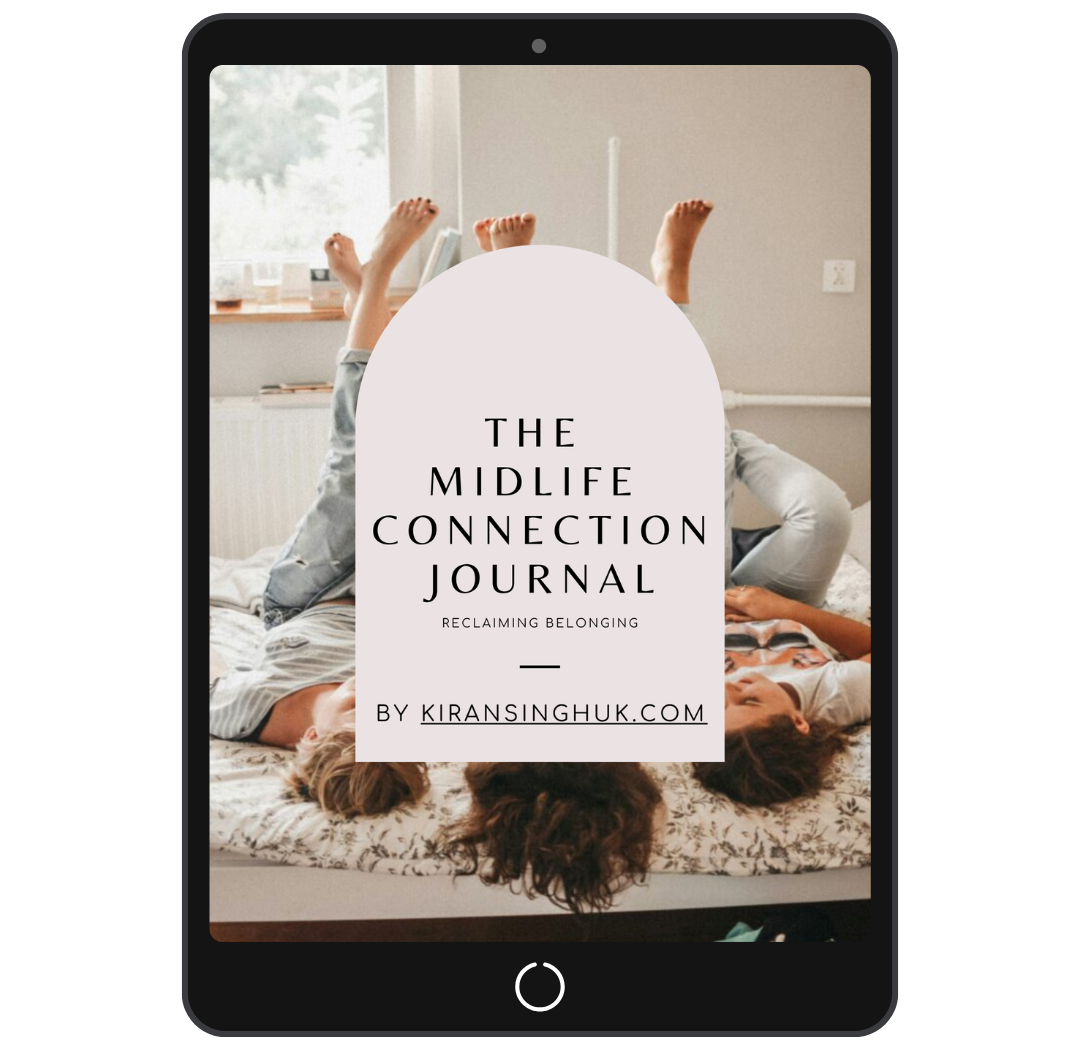
Format: 10-Day Guided Reflection Journal (PDF)
The Practice: 10–15 minutes a day of quiet, honest exploration.
Ready to begin? This soulful companion is available exclusively for our community. Subscribe for free below to unlock instant access to the journal and join our journey of intentional midlife living.
{ 70 JOURNAL PROMPTS FOR RELATIONSHIPS }
Trust
Navigating trust in relationships can be a journey of self-discovery and understanding. The following prompts aim to help you uncover the depths of trust in your interactions.
How do I feel when my trust has been broken? How do I respond?
What actions or signs make me feel that someone is trustworthy?
Have I ever broken someone’s trust? How did I work towards rebuilding it?
How do I differentiate between a one-time mistake and a pattern of dishonesty?
How can I cultivate more trust in my relationships?
Communication
Dive into these prompts to reflect on how you communicate and how it shapes your connections.
When was the last time I felt truly heard and understood in a conversation?
How do I usually express my needs to others?
Are there topics or feelings I find difficult to communicate? Why?
How can I improve my listening skills?
What barriers often prevent me from effective communication?
Respect
Use these prompts to explore how respect manifests in your interactions and how it influences your bonds.
How do I feel when I am respected versus when I’m disrespected?
Are there times I might have shown disrespect unintentionally? How can I rectify that?
How do I show respect to others in my daily interactions?
What boundaries do I set to ensure I am respected?
How can I better respect the differences in others?
