


There was a time when meal planning felt like control, like responsibility, like “I should know exactly what’s for dinner every night.” But now, in this chapter, you’re learning the power of flexibility, of trust in your instincts, of allowing whim & season to guide you.
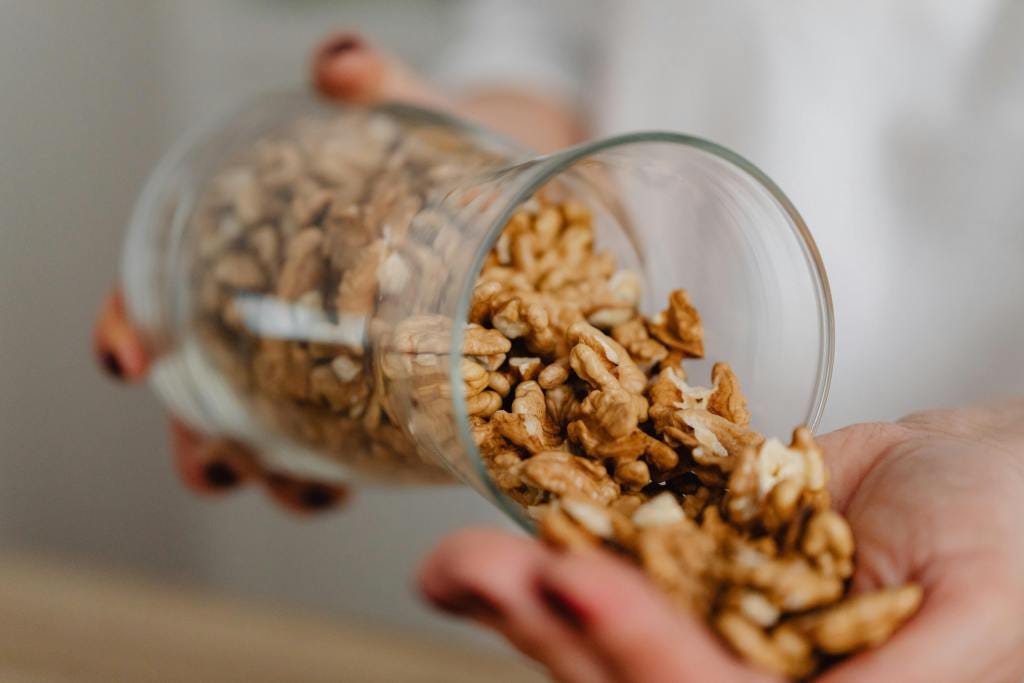
Why letting go of rigid meal planning can feel like liberation
Aligns with changing energy cycles: some days you have clarity and energy to cook; others you don’t. Flexibility honours those fluctuations.
Reduces guilt & overwhelm: when plans don’t go as scripted, you don’t drown in disappointment. You pivot.
Supports hormonal & digestive health: less rigidity means easier adjustments for cravings, for what your body actually needs that day.
Brings delight back: trying new flavours when inspired, using what’s seasonal, making special meals because you want to, not because it’s on the schedule.
What, instead of constant meal-planning
Here’s how you could shift, and how I’d lean in if I were you (or walking this path with you).
Have a core set of go-to meals: 8-12 dishes that feel nourishing, adaptable, familiar. You love them. They work. Some are quick; some soul-filled.
Seasonal and intuitive shopping: Let seasonal produce guide what you buy. Check the pantry and fridge first. Build meals around what you already have.
Flexible “special” meals: Reserve one or two meals/week (or every few weeks) for trying something new, for pleasure, or creativity.
Let routines support, not dictate: Routines for shopping, prep, leftover days. But not rigid schedules that feel like chains.
Mindful steering when needed: If hormones are roaring and cravings are strong, allow pivots. Maybe simpler meals those days; small treats you enjoy; rest-meals with ease.
The 10-Recipe Kitchen: A Midlife Version

There’s a kind of magic in knowing ten recipes deeply, not just because they’re easy, but because they feel like home, flexible, nourishing, and aligned with you in this season of midlife and menopause. When your hormones shift, your energy fluctuates, and your taste buds sometimes change, having a trusted kitchen foundation becomes a lifeline.
Journaling Prompts
How much time or mental space do I feel I spend planning meals? What cost (stress / energy) does that bring?
What are my true “safe” meals, those I love, that fuel me, that feel good physically & emotionally?
When I didn’t plan, what spontaneous meals turned out best? What did I learn?
What seasonal produce is calling me now? Could I build meals around that, rather than following someone else’s plan?
What would dinner look like if it felt more like rest + nourishment and less like obligation?
Inspired Action (This Week)
Write out 8-12 meals you truly love and can cook with varying energy. Make this your core list.
On a “spontaneous” day, build dinner from your pantry/fridge without referring to recipes; see what emerges.
Set one “new recipe” night this week, but make sure it’s optional and joyful, not forced.
Keep a small notebook/list of staples you always need; before shopping, check what you already have.
Feeding Yourself with Grace: Midlife Nutrition Guide

I was nearing 47 when a tender realisation struck me: I was feeding my body habits I’d outgrown, lattes, late dinners, hurried breakfast bars, drive-through lunches. Busy didn’t mean nourished. I was hungry, not for convenience, but for true nourishment.
Your pantry can be more than shelves of staples; it can be a living rhythm, changing as you change, reflecting the seasons of both nature and your own body. Stocking it with intention creates steadiness and ease, reminding you that nourishment doesn’t need to be complicated. In midlife and menopause, when everything can feel like it’s shifting, a seasonal pantry becomes an anchor: a way to feel rooted, supported, and aligned with the cycles that have always held us.
If this piece stayed with you, don’t rush past it. Let it settle.
You can take this further inside The Midlife Circle, where I share more personal reflections, deeper conversations, and gentle guidance to help you live this chapter with more clarity, intention, and ease.
If you’re feeling the pull to go deeper in a more personal way, you can also explore working with me. And if this resonated, tap the ♡, leave a comment, or share it with someone who might need this today.
