


For many women, menopause arrives carrying a quiet erosion of trust in the body. Movements once taken for granted start to feel uncertain. Recovery feels slower. And too often, the cultural message is clear: do less, be careful, accept decline. But what if that narrative is wrong?
In this conversation, Michael Baah cuts through the fear and misinformation that surrounds midlife fitness. Drawing on over two decades of experience as a strength coach and oncology exercise specialist, he reframes menopause not as a breakdown, but as a biological transition that demands smarter, more intentional training. This is not about pushing harder or retreating into fragility; it’s about understanding hormonal shifts, respecting recovery, and using strength training as a tool for autonomy, confidence, and long-term health. What follows is a grounded, science-led redefinition of what it really means to train with your body in midlife.
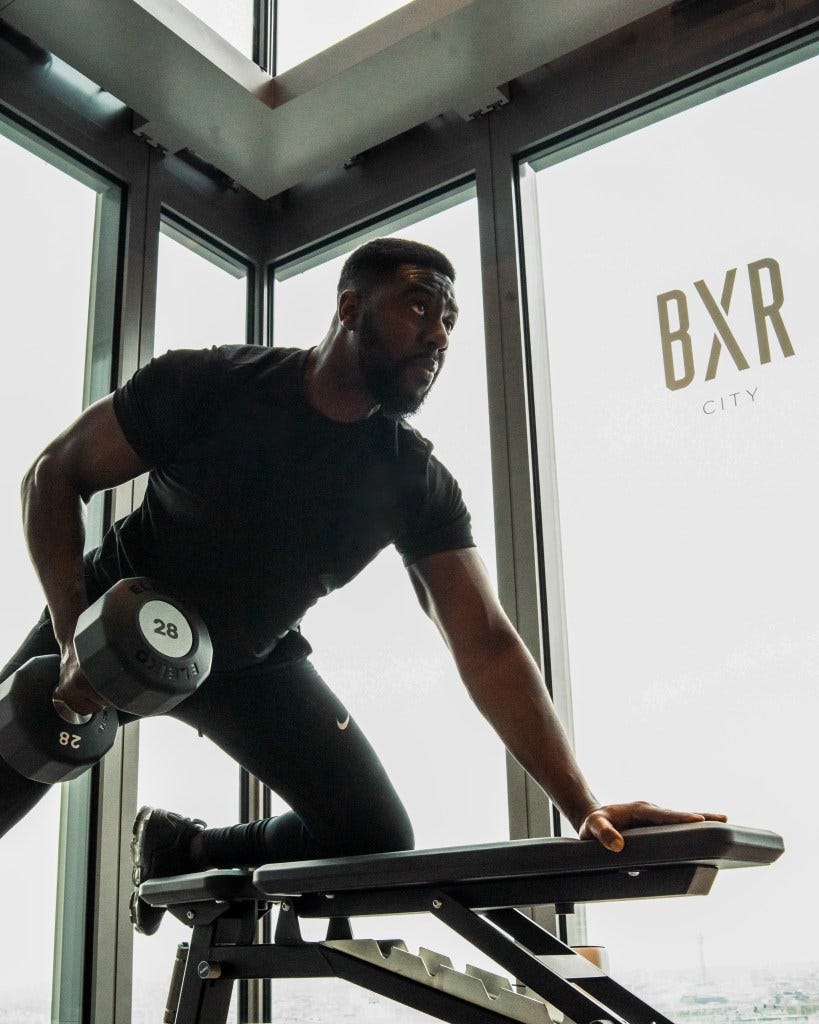
Menopause is often framed as a period of physical decline. Why is this narrative inaccurate and potentially harmful?
Menopause isn’t a breakdown; it’s a biological transition. The harm comes from the story women are told about it. When midlife is framed as an inevitable decline, women start moving with caution, training less, and trusting their bodies less, often long before their bodies actually require it. Everyone begins losing muscle and bone density in their late 20s. The difference for many women is that they were never encouraged to prioritise strength early on. Cardio was praised, light weights were allowed, and real strength was often sidelined. By the time menopause arrives, it can feel like something has suddenly gone wrong, when in reality the body is responding to years of underloading. That narrative creates fragility where there doesn’t need to be any.
What actually happens inside the body during menopause, and how should strength training adapt?
As oestrogen declines, muscle protein synthesis becomes less efficient, bone turnover increases, connective tissue behaves differently, and recovery can take longer. None of this means women should stop lifting. It means strength training becomes more important, not less. Training needs to prioritise mechanical tension, progressive resistance, and enough recovery to absorb the work. The goal shifts away from chasing exhaustion and towards driving adaptation. Menopause doesn’t require gentler training; it requires more intentional training.
Many women feel weaker or more injury-prone and assume they should take it easier. How do you address this safely?
I don’t start by telling women they’re vulnerable. I start by showing them what their bodies can tolerate and adapt to. Confidence doesn’t come from reassurance; it comes from experience. We focus on good technique, conservative starting loads, and gradual progression. Strength is built through exposure, not avoidance. Once women feel their bodies responding, fear tends to fall away naturally.
From your oncology exercise work, what principles apply to menopausal women?
Clinical exercise teaches you to respect stress without fearing it. Progress works best when it’s predictable. Load increases are planned, volume is managed, and recovery is built in. Whether someone is navigating cancer treatment or menopause, the body adapts best when training is structured, consistent, and individualised. Chaos doesn’t build resilience. Consistency does.
High-intensity training is often promoted as the gold standard. When does it help, and when does it work against women in menopause?
Intensity is a tool, not a badge of honour. Heavy lifting, done well and not constantly, can be extremely beneficial for bone density, strength and confidence. Where it backfires is when high intensity is layered on poor sleep, under-fuelling, and chronic life stress. Menopause doesn’t mean no intensity. It means strategic intensity. Fewer hard sessions, higher quality work, and recovery that’s actually respected.
What role does strength training play in protecting metabolism, confidence, and independence?
Muscle is protective. It supports metabolism, insulin sensitivity, balance, and physical independence. The data consistently show that women with more muscle mass live longer and live better. This isn’t about aesthetics or bodybuilding. It’s about being able to carry shopping, get up off the floor, travel confidently, and live without physical hesitation. Strength is insurance for later life.
What lessons from clinical exercise help menopausal women rebuild trust in their bodies?
Many women arrive in midlife disconnected from their bodies after years of dieting, pushing, or ignoring pain. Clinical exercise teaches you to distinguish discomfort from danger and rebuild trust through evidence. Strength training becomes a conversation with the body rather than a punishment for it. When women feel their bodies adapting again, confidence returns naturally.
Recovery becomes non-negotiable in midlife. How should women rethink rest and deloads?
Recovery isn’t passive, and it isn’t weakness. It’s programmed. Deload weeks are planned, not reactive. Walking, lower-intensity sessions, sleep, and nervous system regulation all play a role. Adaptation doesn’t happen when stress is constant. It happens when stress and recovery are balanced.
Many women feel disconnected from their bodies during menopause. How can strength training help?
Strength training is tangible. You feel stronger. You move better. You trust yourself again. That’s very different from chasing weight loss or aesthetics. When training becomes about capability and self-respect, it stops feeling like another obligation and starts feeling grounding and empowering.
How would you redefine what “strong” means for menopausal women?
Strong means resilient, capable, and confident in your body. It means autonomy. It means not fearing movement, ageing, or daily physical tasks. At this stage of life, strength isn’t about numbers in the gym. It’s about freedom. And that redefinition matters now more than ever.
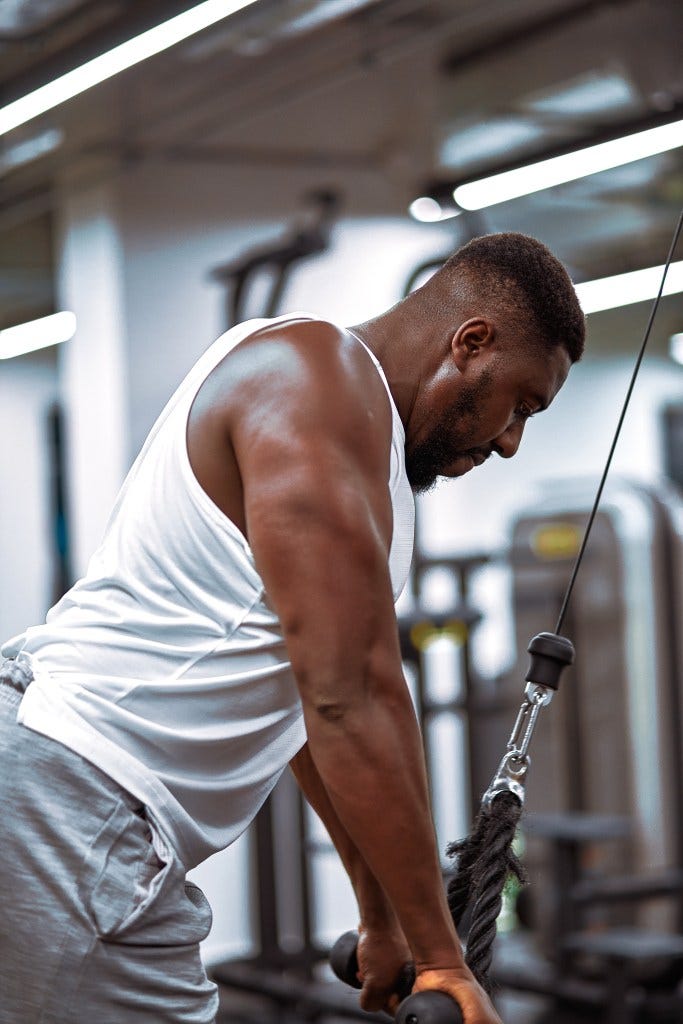
What emerges clearly from Michael’s perspective is this: menopause doesn’t call for less movement, less ambition, or less strength; it calls for better listening, better structure, and better respect for the body’s changing rhythms. When strength training is aligned with hormonal reality, recovery is prioritised, and fear is replaced with informed exposure, women don’t become fragile; they become capable again. This is where cycle awareness and workout optimisation meet something deeper: trust. Trust in the body’s ability to adapt. Trust in strength as a lifelong companion. And trust that midlife is not the end of physical power, but a chance to reclaim it on new terms. Strength, here, is no longer about performance or aesthetics. It’s about freedom, to move, to live, and to age without shrinking.

If this piece stayed with you, don’t rush past it. Let it settle.
You can take this further inside The Midlife Circle, where I share more personal reflections, deeper conversations, and gentle guidance to help you live this chapter with more clarity, intention, and ease.
If you’re feeling the pull to go deeper in a more personal way, you can also explore working with me. And if this resonated, tap the ♡, leave a comment, or share it with someone who might need this today.