

There’s a question I’ve been sitting with lately. Why is it that so many women arrive at midlife carrying health questions they’ve never once said out loud? Questions they’ve been too embarrassed to ask, or were told didn’t matter, or quietly assumed were just part of the deal of being a woman in this body, at this age.
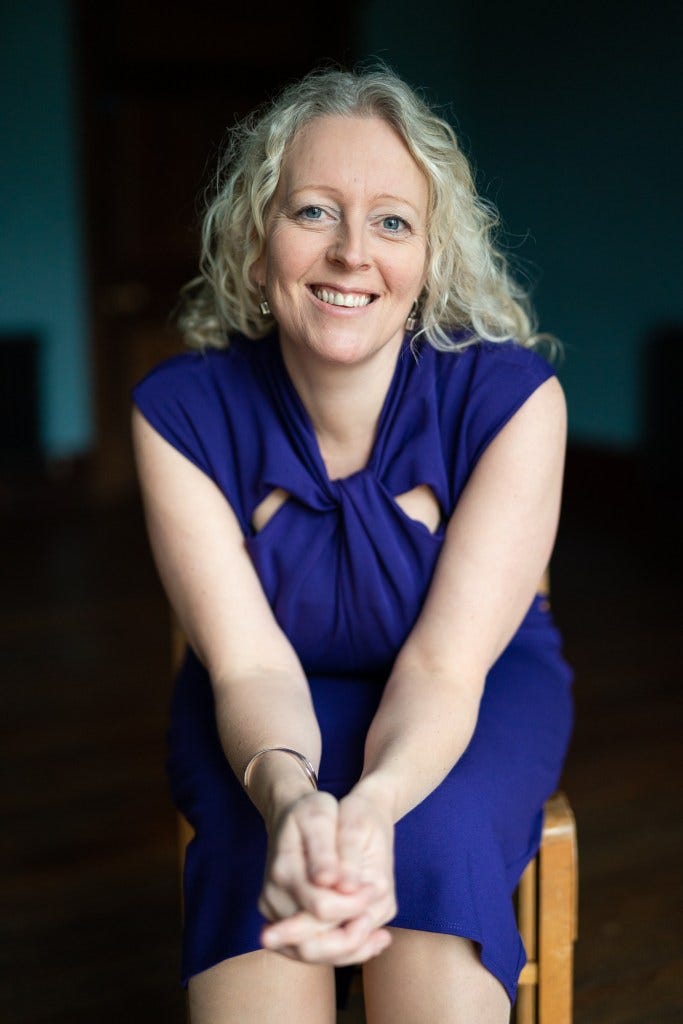
Professor Julie Cornish has been asking the same question. And she didn’t just ask it; she built something extraordinary in response to it. Julie is a colorectal consultant surgeon with a specialist interest in pelvic health and cancer. She’s spent years in clinical practice watching women arrive with symptoms they’d been told were normal. After having a baby, or getting older, or simply being female. And somewhere along the way, she decided that treating one woman at a time wasn’t enough.
So she created the Everywoman Festival: a clinically led, community-powered event that brings together expert talks, workshops, music, food, art, and the kind of honest conversation about women’s bodies that most of us were never given permission to have. It runs in London and Edinburgh, and it is, I have to say, exactly the kind of thing I wish had existed twenty years ago.
In this conversation, we talk about why women are still being dismissed by a system that doesn’t always know how to help them, what happens in midlife that nobody prepares us for, beyond the obvious, and why understanding your body isn’t a medical privilege. It should be a given.
Julie is warm, direct, and refreshingly free of any agenda other than this: women deserve better information. And they deserve it in a room that feels good to be in.
I think you’re going to love this one.
You’re a Professor and consultant surgeon, and yet you created a festival. That’s not the obvious next step. What was the moment, or the accumulation of moments, that made you think: I can’t just keep treating symptoms; I need to do something bigger than this?
I’d been involved with organisations locally and nationally, and could see that the things I was doing weren’t changing the picture quickly or weren’t being that effective. I could see the impact of the menopause moment and realised that going directly to the public was changing things, but I wanted to make sure the information getting out there was evidence-based and covered topics across the whole of a woman’s life rather than one moment in time.
You talk about hearing the same story from women over and over, being told their symptoms were normal, that they’d had a baby, that they were getting older. As a clinician, how do you sit with that frustration? And what do you think is really happening when women are dismissed in that way?
Every time I see a woman like that, I can do something to help them, so in some ways, although it’s frustrating to hear, it can be rewarding to make a real difference to that person. I think sometimes women get told that clinicians don’t know enough about the topic and what can be done to help. Health professionals have to cover a huge number of areas in their training, and to be honest, many of the areas we cover in the festival are topics that, up until now, haven’t been covered that well in medical training. That is changing, however, and that’s great
The Everywoman Festival is described as clinically led and community-powered. I love that combination. Why does it matter that both things are present, and what does it actually look like when they’re working together on the day?
The festival content is delivered by health professionals, expert patients, and charities. You can definitely see that health professionals want to be part of that conversation and are excited to be involved. The speakers aren’t paid to be there. They give their time for free to help women get the information they need.
The topics we cover are ones we know are often lacking or even missing entirely from the normal conversations women have, and we can kickstart those conversations, making women feel more comfortable having them or raising them with their doctors. And there are a lot of those conversations on the day, which contribute to that feeling of community.
There’s a particular kind of shame that lives in women’s health conversations, especially around midlife, pelvic health, menopause, all the things the body does that nobody told us about. How do you create an environment where women feel safe enough to ask the questions they’ve been carrying for years?
Part of it is actually having conversations in public about the reality of our bodies and what can happen. We cover sex and intimacy, what happens after cancer treatment, anatomy, and lots of things about how our bodies work and are altered over time. A lot of it isn’t taught at school or isn’t always given to us when we need it. Having people speak openly and in a relaxed way makes others feel more comfortable.
It creates an amazing atmosphere on the day when it’s not pressured, and women who’ve never met can feel that they’re not alone. That someone else feels the same way or has the same problem.
You’ve described women leaving doctors’ appointments still confused, still carrying unanswered questions. In your view, where is the system actually failing? And is it getting better?
Some of it is time – having a ten-minute slot to discuss difficult or complex problems is almost impossible. The system isn’t helping. Some of it is education. We looked at the medical and post-training curricula in my area of work, and the information on long-term consequences of physical injury after childbirth or cancer is missing. Part of that is that, as a profession, we haven’t focused as much on research in those areas.
But it is changing, and the patient’s voice is becoming more central to research, so the topics being looked at matter.
I’ve worked with a group at the Royal College of GPs to create a learning module on bowel issues after childbirth (the GRaCE study), and my other research area is focused on improving people’s quality of life after cancer (Polaris study).
I think more research in women’s health is central, and women themselves need to take part in it, or things won’t change. That’s why we are supporting and promoting research projects as part of Everywoman. We are encouraging women to sign up for research and have links on the website to projects that they can take part in if they want.

CLICK HERE FOR MORE INFO + TO BOOK YOUR TICKETS
You’re running a Menopause Tent at this year’s festival. What are the conversations you most want women in their 40s and 50s to be having, and aren’t?
I want women to understand the symptoms of perimenopause and menopause and the different options they have. There are many ways to help alleviate symptoms, and they don’t have to be medication. It’s not just about the hormones; lots of other things change around this time. Our risk of developing cancer goes up around this time, and the earlier a cancer is picked up, the better the chance of survival and the impact of treatment needed for it. Women’s heart and bone health is a big issue, and key changes at this time of life can make a big difference to staying healthy and active into older age. We all age, but making sure we can do the things we want to do at that time is vital.
There’s an enormous amount of health information available to women now - social media, podcasts, wellness brands - but also a lot of noise and misinformation. How do women in midlife start to distinguish between what’s credible and what’s being sold to them?
We are covering that in one of the sessions on the main stage, so come to the festival to start! On social
Media: One thing is, just because a post is liked by thousands of people doesn’t make it real. Some people call themselves doctors online who are not medical doctors, and some medical doctors are promoting themselves and their work for personal benefit. UK doctors are governed by the GMC, which sets rules on what can be said and promoted, but social media is a worldwide platform.
Looking at trusted charities for info and signposting to information is useful. The Eve Appeal has recently been running a campaign on exactly this.
As a female surgeon, still a relatively rare thing, what did you have to negotiate internally or externally to get to where you are? And does that experience inform how you think about what women need in midlife?
About 10% of surgical consultants are female, but the number of female trainees coming through is substantially higher, so change is happening more rapidly now. I’ve worked with some fantastic surgeons who’ve been supportive throughout my career, who are men and women, but it’s my family's support that’s really made the difference.
I’ve had three children, and whilst I’ve had no issues with my own health, I’ve been aware that women around me have struggled to access the information they needed. I’m very aware of the privilege I have of having medical training and an understanding of what’s happening to my own body. No one should have to fight for information, and they should be able to trust the information they receive and have health professionals who understand them and how their treatment might be altered because of it. It’s not a one-size-fits-all.
Something I find really interesting about the festival is that it mixes expert-led content with music, food, art, and creativity. That’s a very deliberate choice. Why does the experience of the day matter as much as the information being shared?
The Everywoman isn’t just helpful to women with a health issue; it’s for the healthy who want to stay that way, and for their family and friends who want to understand how they can help and what their loved one is going through.
I go to a lot of medical conferences and know that too much information can be overwhelming and sometimes dull. If people are going to spend part of their weekend with us, then they are going to do it because it’s fun. It’s also a sneaky way to get people to listen to more talks than the ones they came for, since you don’t know what’s going to happen in life, and more information helps.
If you could change one thing in healthcare, in culture, in the way women understand their own bodies, what would it be?
I’d like everyone to be told more at school and in day-to-day life about what’s normal. If you understand that, then you can seek help when things change. You can’t be an expert in every area of health, so you need the confidence to go to someone who can offer help that makes a difference.
My worry is that there is a disconnect at the moment that makes women vulnerable to spending money on things that don’t help (and can even harm) because they are not getting the help they need.
There was a line Julie said that I keep coming back to. That she’s aware of the privilege she has: having medical training, understanding what’s happening in her own body. And that no one should have to fight for that.
No one should have to fight for information about their own health. For a clinician to take their symptoms seriously. For a space where they can ask the question they’ve been carrying quietly for years.
And yet so many women do. Every single day.
What Julie has built with Everywoman Festival is one of those rare things, something that genuinely bridges the gap between the clinical and the human. Between what the research says and what women are actually experiencing. Between the ten-minute GP appointment and the conversation that actually needed to happen.
THE EVERYWOMAN FESTIVAL – BOOK YOUR TICKETS
If you’re in the UK, I’d love for you to look up the festival in London and Edinburgh and visit Everywomanfest.com. Go with a friend. Go with your daughter. Go by yourself. Just go.
And if this conversation stirred something in you, a question you’ve been sitting on, a symptom you’ve been quietly dismissing, a sense that your body deserves more attention than you’ve been giving it, let that be enough of a reason to start the conversation. With your doctor, with someone you trust, or just with yourself.
