

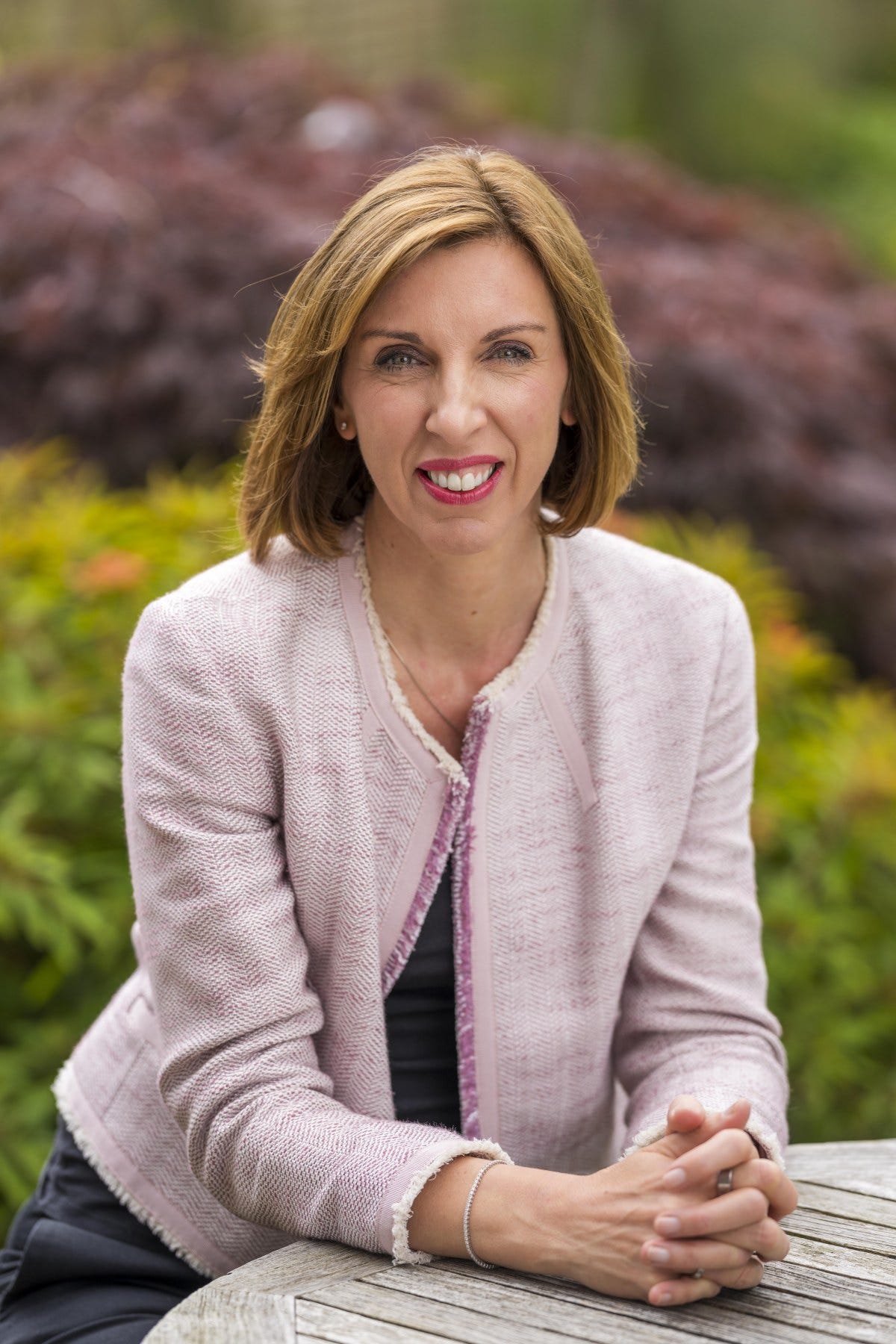
Dr Louise Newson is a name many women speak with relief, gratitude, and a sense of finally being believed. A GP, leading hormone specialist, bestselling author, and founder of Newson Health and the Balance app, she has fundamentally changed the conversation around menopause care in the UK and beyond. What sets Dr Newson apart is not just her depth of medical knowledge, but her unwavering commitment to listening to women, challenging outdated systems, and insisting on evidence-based, personalised care. In this interview, she speaks candidly about why menopause care is a public health issue, what women need to know about hormones and the brain, and how education and empowerment can transform not just symptoms, but future health.
You’ve spent years challenging outdated narratives around menopause care. Looking back, what was the pivotal moment when you realised the system wasn’t serving women, and that you had to do something about it?
It was when I realised that I could not obtain the dose and type of hormones – progesterone, oestradiol, testosterone and vaginal prasterone – from my NHS GP. As a Caucasian, middle-class, educated, English-speaking woman, if I’m struggling to receive evidence-based treatment to improve both my symptoms and my future health highlights how difficult it is for so many women. Also, the sheer volume of messages and conversations I have fowithomen who are already struggling is insurmountable, and I realise that I have to do something to make a difference to as many people as possible.
Many women still struggle to have their symptoms recognised or taken seriously. What are the most important things a woman should say, or bring, to a GP appointment to ensure she receives evidence-based menopause care?
Knowledge is the most important thing that we can have. Downloading my Balance app and completing the symptom questionnaire, which can be printed off or emailed, is a really important start for any consultation with a healthcare practitioner. Reading information that is relevant to you, which is based on evidence, will empower you with the right knowledge to have the best conversation with your doctor. If you want to take hormones, you should be able to obtain them easily. If your doctor is refusing to prescribe for you, then you should try to see another doctor who understands hormones.
Hormones play a significant role in brain function, yet symptoms like brain fog, anxiety, and low mood are often dismissed. Can you explain what is actually happening in the brain during perimenopause and menopause?
So our hormones progesterone, oestradiol, and testosterone are made in our brains as well as our ovaries. They have very important functions throughout our brain and help all areas of our brain to function properly. When levels of these hormones fluctuate or decline, then symptoms affecting our brain are very common.
You advocate strongly for personalised HRT. For a woman just starting her journey and unsure where to begin, what does an effective, well-considered HRT plan look like?
It is important to consider each woman separately, and many women benefit from all three, whereas some may benefit from only one initially. The dose is also very important, and when we prescribe oestradiol and testosterone through the skin, we have to factor in the penetration of the hormones through the skin, as the skin acts as a barrier. This means that some women need more than others for adequate penetration through the skin. We usually start with a low dose and optimise the dose according to symptom response and also to blood tests.
There is still confusion about the safety of HRT. What are the most common myths you wish more women and healthcare professionals would understand and stop repeating?
Risks of HRT are related to older types of synthetic hormones, which are a completely different chemical structure from our own hormones. Body-identical hormones are the same molecular structure as our own hormones, and women and healthcare professionals must understand this difference.
Not all symptoms are physical. Many women describe emotional burnout, loss of identity, or feeling invisible in midlife. How can clinicians better support the psychological side of menopause?
If these symptoms are related to our hormones, then the best treatment is to replace the missing hormones. Many women only improve properly when the right dose and type of hormones are prescribed, often a combination of progesterone, oestradiol and testosterone. It is also really important to look at lifestyle factors, including regular exercise, good nutrition, mindfulness and addressing any habits such as smoking and drinking alcohol.
You’ve said before that menopause care is not a luxury; it’s a public health issue. What changes do you believe need to happen within the NHS for women to finally receive the support they deserve?
I feel very strongly that every woman who wants to take hormones, including testosterone, should be able to easily do this in their first consultation with a healthcare professional. Training about hormones for healthcare professionals needs to improve so that women are not suffering in this way. Many doctors are concerned about the number of consultations they are having with women who need hormones, but in the longer term, these women are going to be a lot healthier with fewer symptoms and diseases when they are prescribed hormones.
The Balance app and Newson Health have become lifelines for thousands of women. How do you see digital tools shaping the future of menopause diagnosis, treatment, and patient empowerment?
I have worked as a medical writer for over 25 years, and sharing my knowledge in ways that people understand is a very important part of my job. Using technology with my Balance app enables millions of women globally to access information that is evidence-based and also based on my huge wealth of clinical knowledge and experience. This is helping empower women so they can make the right choices for themselves about their hormones and future health.

Lifestyle interventions (nutrition, exercise, sleep, stress reduction) often feel overwhelming for women who are already exhausted. What small, realistic changes do you recommend that make the biggest difference?
Making achievable changes that you can adhere to is really important. Sometimes it is changing one small thing at a time rather than trying to do everything together. However, until hormones are balanced properly, it is often really hard to address lifestyle interventions; two things need to be done in the right order.
If you could give midlife women one piece of advice, one truth you wish every woman knew about her body, her hormones, and her power, what would it be?
Understand how hormones affect your whole body and brain. If you feel some of your symptoms are related to your hormones, then you’re probably right. Listen to your body and make sure you see a healthcare professional who totally understands you and your hormones. Do not suffer in silence.
Dr Newson’s message is both powerful and reassuring: if you feel something is wrong, you’re probably right. Menopause is not a personal failing, nor is it something women should quietly endure. With the right knowledge, the right hormones, and the right support, this chapter can be navigated with clarity, confidence, and improved long-term health. Perhaps the most important takeaway from this conversation is permission, permission to ask questions, to seek better care, and to stop suffering in silence. As Dr Newson reminds us, understanding your hormones is not about control or perfection; it’s about listening to your body and honouring the wisdom it’s been trying to share with you all along.
If this piece stayed with you, don’t rush past it. Let it settle.
You can take this further inside The Midlife Circle, where I share more personal reflections, deeper conversations, and gentle guidance to help you live this chapter with more clarity, intention, and ease.
If you’re feeling the pull to go deeper in a more personal way, you can also explore working with me. And if this resonated, tap the ♡, leave a comment, or share it with someone who might need this today.
My New Book is Coming: 19th October 2026

From the outside, midlife can look like a woman who has done everything she was supposed to do: she has been responsible, capable, needed. She has held it all together for years, and yet, somewhere along the way, she has started asking a quiet, life-altering question: