


When it comes to navigating perimenopause and menopause, so many women are left feeling dismissed, confused, and without clear guidance. That’s why conversations with experts who not only understand the science but also lead with compassion are so important.
I’m honoured to be sharing an interview with Dr Andrea Caamaño, a physician specialising in Internal Medicine, Endocrinology, Diabetes, and Metabolism. As the Director of Medical Affairs at The HRT Club, Dr Caamaño is at the forefront of advancing evidence-based, patient-centred hormone therapy solutions.
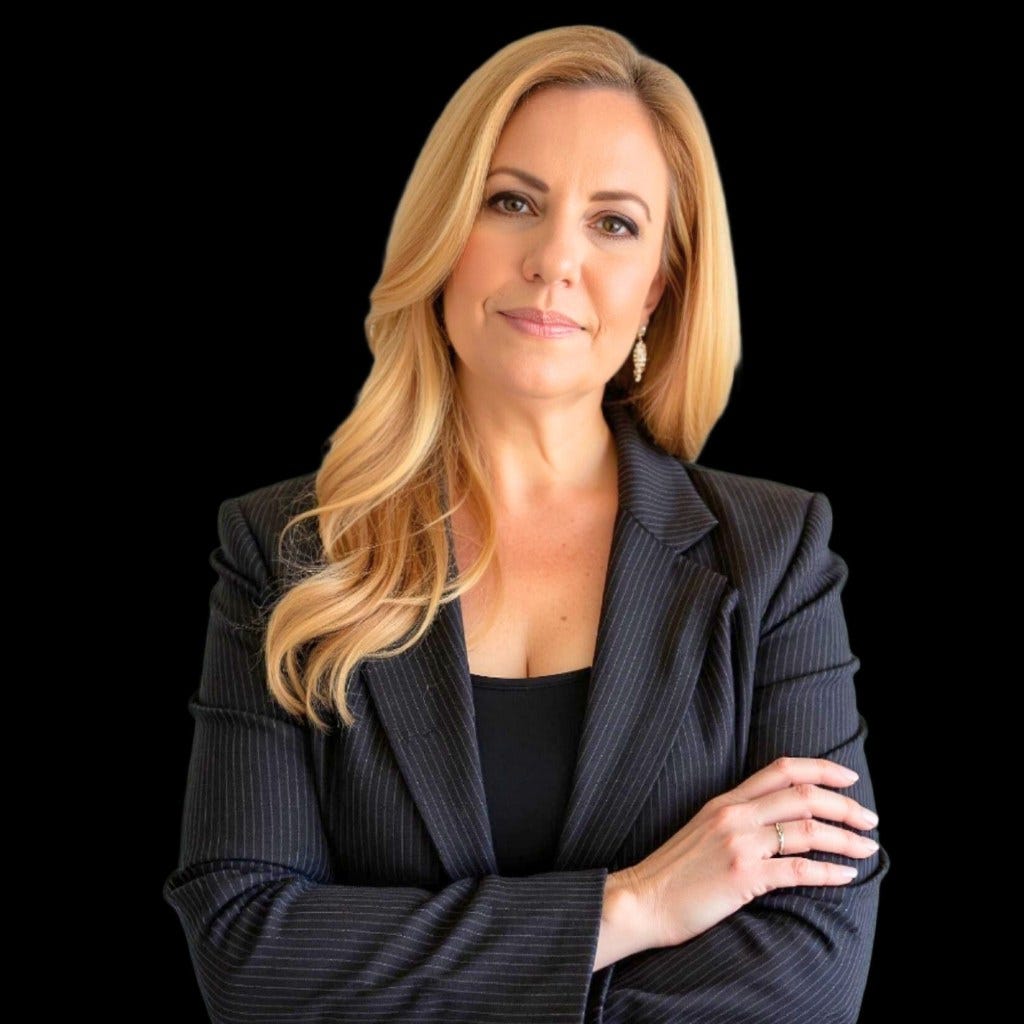
With her deep expertise in hormonal balance and metabolic health, she has been instrumental in shaping personalised treatment plans that empower women to feel more in control of their bodies, their health, and their future. She is also an active member of leading organisations such as the American College of Obstetricians and Gynaecologists, the Endocrine Society, and the North American Menopause Society, always staying at the cutting edge of the latest research and clinical practice.
What shines through most, though, is her dedication to women’s health and wellbeing. Fluent in both English and Spanish, she advocates for inclusive, accessible, and culturally sensitive care, ensuring no woman feels unheard or unseen in her midlife journey.
In this conversation, we’ll explore the truths and myths of perimenopause and menopause, the latest evidence around hormone therapy, and how we can all approach this transition with more knowledge, confidence, and choice.
You specialise in Internal Medicine and Endocrinology. From your perspective, why is it so important that perimenopause and menopause are addressed not only as hormonal transitions but also as metabolic health turning points?
The root driving force behind perimenopause and menopause is fluctuations and drops in hormone levels. While we think of estrogen mainly as a reproductive hormone, it takes part in other important functions as well, such as cardiovascular health, metabolism, bone health, and cognition. Many women in perimenopause and menopause describe how they suddenly gained weight, especially around the belly.
Drops in estrogen cause a redistribution of fat to the abdominal area. This is considered stubborn weight gain, and many women say that no matter how much they watch what they eat or how much they exercise, they can’t shed that extra *poof* in the midline. Estrogen also plays a part in regulating glucose and insulin sensitivity. As well, Estrogen is cardioprotective. When levels of estrogen decrease, the chances of heart-related issues increase. Estrogen supports brain health and cognition by maintaining blood flow to the brain, working as an anti-inflammatory, and promoting better memory and fine motor skills.
Drops in estrogen can lead to noticeable memory issues. Estrogen helps support bone by promoting bone formation and slowing down the breakdown of bone. Low estrogen levels lead to osteoporosis.
Many women are surprised to learn that menopause and blood sugar regulation are closely connected. Can you explain the link between hormonal decline, insulin resistance, and weight gain in midlife?
Menopause and glucose regulation are absolutely connected. Estrogen plays a significant role in metabolism and insulin resistance by impacting how we manage glucose and store fat. As a woman enters menopause and estrogen levels drop, fat is redistributed to the belly area, and metabolism slows down.
Women often find they are gaining stubborn weight that will not go away, even with healthy eating and exercise. The underlying issue here is hormonal. During this time, there is a drop in insulin sensitivity, which is also largely regulated by estrogen. The body stops responding to insulin as well, and the pancreas starts making more of it.
This vicious circle creates insulin resistance. The higher the insulin levels, the more fat is stored, especially around the abdomen. Cortisol, our stress hormone, increases in times of stress, illness, and menopause. Cortisol is also responsible for weight gain, which is mostly noticeable around the belly.
Hot flushes and night sweats are the most talked-about symptoms, but you’ve often highlighted the importance of looking beyond them. What other less-discussed symptoms should women (and clinicians) be paying more attention to?
Hot flushes and night sweats are the symptoms that usually come to mind when discussing menopause, but there are a myriad of symptoms that can affect a woman during this time in her life. Mental health is an extremely important topic to keep in mind. Women in menopause may feel sudden anxiety and depression.
Fluctuating hormones greatly influence mood and can cause drastic mood swings. Women may feel like they are more forgetful than usual and have episodes of “brain fog” and even difficulty concentrating. Sleep disorders are very common in menopause. These can occur from anxiety or even the night sweats, causing a woman to wake up soaked in the middle of the night, not getting a restful night’s sleep. There are oftentimes new aches and pains, centred mainly around the joints, that don’t seem to make sense as there has been no injury.
Hair and skin changes may develop, with dry patches popping up and hair shedding almost overnight. That ponytail that used to barely take 2 turns of the hair tie may now need 3 to 4 as the hair has thinned and shed. Loss of libido plagues many menopausal women. This is compounded by vaginal dryness, an increase in urinary tract infections, and painful sex.
You’ve been a strong advocate for evidence-based, patient-centred hormone therapy. What are some of the most persistent myths or misconceptions about HRT that you’d like to see debunked?
Some people tend to think that HRT is a one-size-fits-all approach. It certainly is not. Like any other medical intervention, HRT must be personalised and tailored to an individual woman’s needs and situation. Some think that HRT will only treat hot flushes and night sweats. Hormones affect many processes of the body, and HRT is used to treat the body as a whole, not just one or two symptoms.
Early studies in the 90’s, reported in the early 2000s, shocked the world with news that HRT caused cancer. There were flaws in those studies, and the takeaway is that every woman and her situation are unique and need to be treated as such. Any woman considering starting HRT needs to discuss this with her trusted healthcare provider. There must always be a risk-benefit analysis, and the woman’s medical history, family history, and current symptoms must be considered when determining if HRT is right for her and, if so, which form. This leads to the next point.
All HRT is not the same. There are different preparations such as monotherapy (estrogen, progesterone or testosterone only) or combination therapies, synthetic (not identical to that in the body and usually created by people in labs) vs bioidentical (identical to that found in the body, usually derived from plants), as well as the administration method (oral tablets/capsules, transdermal gels/patches/creams, injections, inserts, etc.).

Nutrition often comes up in conversations about symptom relief. Recent articles mention soy and phytoestrogens as possible supports. In your clinical experience, where do dietary interventions fit into a holistic menopause care plan?
As the saying goes, you are what you eat. Healthy lifestyle choices, including nutrition, should always be paramount in a person’s health quest. While nothing will take the place of HRT if a woman needs it, certain foods will increase estrogen levels naturally, but only to a point. Phytoestrogens come from plant sources and can be found in flaxseed, sesame seeds, grains, soy, chickpeas, and lentils. They are not actual hormones, but their structure resembles
hormones. They work by binding to estrogen receptors and, during menopause, they act as weak forms of estrogen. As such, they can cause some relief of hot flushes and night sweats, and they may be slightly cardioprotective. These should not be a substitute for HRT if HRT is deemed necessary, but they will help relieve some symptoms and are healthy food choices. One should always select the healthiest of any food options to add to their overall well-being.
Summer can be especially challenging for women experiencing hot flushes and night sweats. From both a medical and lifestyle perspective, what are your top recommendations for staying cool and reducing discomfort?
Any woman who is determined to be a good candidate for HRT should strongly consider it. HRT could positively affect her lifestyle and make her feel like herself again by relieving many of the impairing symptoms of menopause. Heat can make symptoms like hot flushes and night sweats more severe. Make sure you are in temperature-controlled environments as much as possible.
Being in a cool room helps. Sleep with the air conditioner or fan on when needed. Select breathable fabrics for bedding and clothing. Dress in lightweight layers so that when it gets too warm, you can remove what you need to. Stay active, but when exercising outside in the summer months, do so early in the morning or late in the evening when the sun is no longer your enemy. Stay hydrated! Avoid heavy meals before bed, and spicy meals and alcohol at all costs, as those will heat you up more.
You lead clinical initiatives focused on hormone therapy solutions. How do you ensure that treatment plans are tailored to the individual, rather than applying a one-size-fits-all approach?
Nothing in medicine should be a one-size-fits-all approach. It is important to do a risk-benefit analysis. It is vital to take a good medical history, family history, and listen to current symptoms. Listen to the patients’ wants and consider lifestyle. What will work like a charm for one will be devastating and not doable for another. The key is listening, observing, and communicating.
For women who can’t or choose not to use HRT, what evidence-based alternatives or complementary strategies do you recommend for managing symptoms and supporting long-term health?
For women unable to use HRT, there are several things they can do to try to manage symptoms. Exercise is important for bone and cardiovascular health. Eat foods rich in phytoestrogens, and maintain a cool environment whenever possible. Outdoor exercise should be limited to when the sun is not at its strongest. Work on stress management through yoga, meditation, or taking part in your favourite hobby.
Dress in light, breathable layers. When medication is necessary, talk to your provider about the possible addition of SSRIs or SNRIs for hot flushes and Gabapentin to help you get a better night’s sleep. Consider keeping your weight on the lower side and avoiding alcohol and smoking.
Cardiovascular and bone health risks increase after menopause. What proactive steps can women in their 40s and 50s take now to protect themselves in the decades ahead?
Stay active. If you don’t move, you won’t be able to move. A sedentary lifestyle leads to all kinds of health issues, such as obesity, diabetes, increased risk of fractures, etc. Have regular visits to your healthcare provider for diagnostic and preventive screenings. Eat healthy, whole foods and stay away from processed, fatty, sugary foods. Limit alcohol intake. Don’t smoke. Practice good sleep hygiene habits by limiting screen time two hours before bed, setting a time to go to bed and get up each day, etc.
Finally, if you could leave women with one empowering message about navigating perimenopause and menopause, what would it be?
You are not alone! What you are feeling is real and valid. Advocate for yourself and what you are feeling, and find a healthcare provider you feel comfortable with who can help you navigate this transition in life. This should not be a devastating time in life where you feel alone and hopeless. There are many options available to help manage the symptoms. Find a support system you can count on when you need it.
Speaking with Dr Andrea Caamaño is a powerful reminder that midlife doesn’t have to feel like a mystery or a battle to push through alone. With the right knowledge, support, and access to compassionate, evidence-based care, women can feel empowered to make informed choices about their health and thrive through perimenopause, menopause, and beyond.
Her insights highlight something I deeply believe too: this transition is not an ending, but an opening, a chance to reimagine how we care for ourselves and how the medical world shows up for women.
I hope this conversation inspires you to reflect on your own journey, ask new questions, and most importantly, remember that you deserve support, clarity, and well-being every step of the way.

If this piece stayed with you, don’t rush past it. Let it settle.
You can take this further inside The Midlife Circle, where I share more personal reflections, deeper conversations, and gentle guidance to help you live this chapter with more clarity, intention, and ease.
If you’re feeling the pull to go deeper in a more personal way, you can also explore working with me. And if this resonated, tap the ♡, leave a comment, or share it with someone who might need this today.