


Here’s what no one tells you…
As if the rollercoaster of perimenopause wasn’t enough — hot flashes, brain fog, sleep disturbances, and mood swings — many women are also hit with hip pain. It often starts as a dull ache, a nagging stiffness in the morning, or discomfort during movement. Over time, it can become more persistent, making daily activities like walking, exercising, or even sitting uncomfortable.
Why does this happen?
The answer lies in hormonal shifts, inflammation, muscle imbalances, and compensatory movement patterns – all of which can exacerbate hip pain during perimenopause. But the good news is, there are practical, evidence-based ways to manage and even relieve this pain.
In this guide, we’ll explore:
Why does hip pain increase during perimenopause
The link between estrogen, inflammation, and joint health
My personal journey with hip dysplasia and advanced arthritis
Effective exercises and movements for relief
Foods and supplements that support hip health
Journaling prompts and actionable steps to track progress
Case studies of real women navigating hip pain
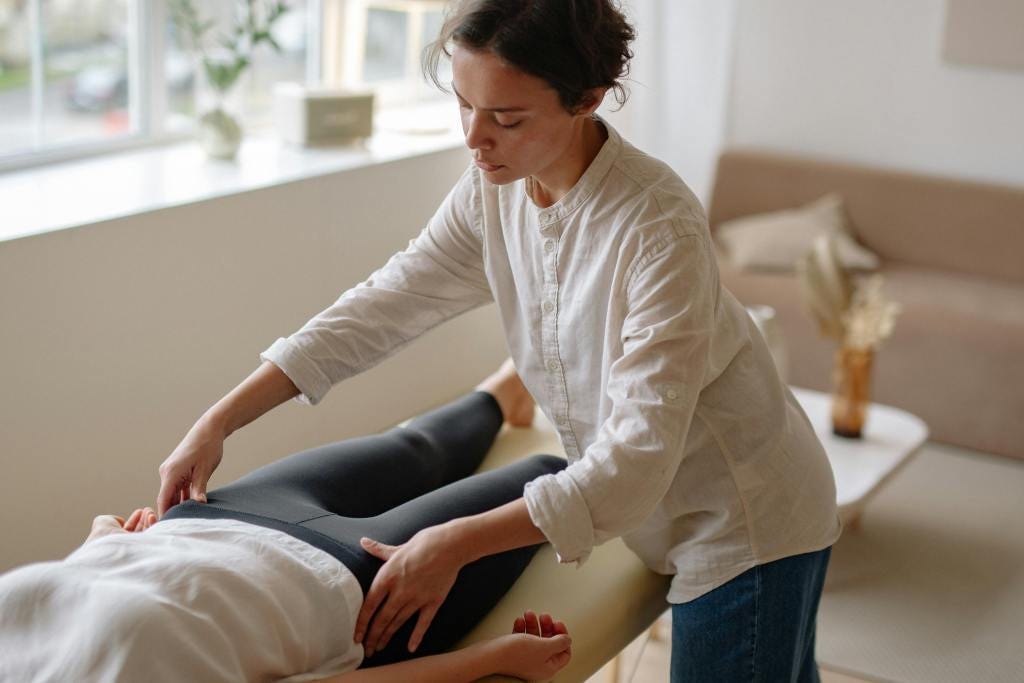
Why Does Hip Pain Increase During Perimenopause?
1. The Role of Estrogen in Joint Health
Estrogen plays a protective role in keeping our joints lubricated and our bones strong. As estrogen levels fluctuate and decline during perimenopause, several changes occur:
Reduced collagen production, leading to weaker connective tissue
Increased joint inflammation, making pain and stiffness more noticeable
Slower muscle recovery, affecting the muscles that support the hips
2. Inflammation & Perimenopause: A Perfect Storm
Chronic inflammation is a silent driver of joint pain. Factors such as stress, poor diet, lack of sleep, and overtraining can trigger an inflammatory response, worsening hip pain.
3. Overcompensation & Muscle Imbalances
When certain muscles weaken due to hormonal changes and lack of stability, the body develops compensatory movement patterns. This often leads to:
Tight hip flexors
Weak glutes and pelvic floor muscles
Imbalanced core strength
Misalignment in the pelvis, causing more strain on the hips
My Personal Experience with Hip Pain
I have had hip dysplasia since childhood, which has developed into advanced arthritis in my hip. For years, I pushed through the pain, thinking exercise and movement would naturally keep my joints strong. However, as I entered perimenopause, I started experiencing worsening hip stiffness, discomfort after workouts, and an increased need for recovery time.
A few years ago, I could go to the gym multiple times a week without issue, but suddenly, certain movements became painful. I had to re-evaluate my exercise routine, focus on anti-inflammatory nutrition, and find ways to move without exacerbating my pain. Through trial and error, I found an approach that helped me stay active while managing my arthritis and hormonal changes.
If you’re experiencing something similar, know that you’re not alone – and there are ways to find relief.
What You Can Do: Movement, Nutrition & Lifestyle Adjustments
1. Exercises to Strengthen and Support the Hips
Instead of avoiding movement altogether, the goal is to strengthen the muscles that support your hips while avoiding movements that aggravate pain.
Best Exercises for Hip Pain in Perimenopause:
Glute bridges - Strengthen the glutes to stabilise the pelvis
Clamshells - Improve hip stability and prevent overuse of hip flexors
Seated hip abductions – Target the outer hips for better balance
Pelvic tilts – Engage the deep core and reduce strain on the hips
Single-leg balance exercises – Build overall hip and pelvic strength
Exercises to Avoid (If Painful):
High-impact workouts like jumping or running
Deep lunges or squats that cause strain
Excessive stretching of the hip flexors (can worsen instability)
2. The Role of Nutrition in Hip Pain & Inflammation
What you eat plays a huge role in joint health. The right nutrients can reduce inflammation, strengthen cartilage, and support muscle recovery.
Best Foods for Hip Health:
Leafy greens (kale, spinach, Swiss chard) – High in magnesium and antioxidants
Omega-3-rich foods (salmon, chia seeds, walnuts) – Reduce inflammation
Collagen-rich foods (bone broth, eggs, fish skin) – Support joint tissue
Magnesium-rich foods (avocados, almonds, pumpkin seeds) help relax muscles
Anti-inflammatory spices (turmeric, ginger, cloves) – Natural pain relievers
Foods to Limit:
Highly processed foods – increase inflammation
Refined sugars – Can worsen joint pain
Excess alcohol – Impacts bone and joint health
3. Journaling Prompts for Tracking Hip Pain & Progress
Self-awareness is key to understanding what helps and what doesn’t. Try these journaling prompts:
When does my hip pain feel the worst? (Morning, after sitting, after exercise?)
What movements make my hip pain better?
Have I noticed any connection between my diet and my joint pain?
How does stress impact my body and pain levels?
What daily habits can I improve to support my hip health?
4. Lifestyle Adjustments for Long-Term Relief
Prioritise Restorative Sleep – Poor sleep increases inflammation
Practice Stress Reduction – Meditation, deep breathing, and gentle yoga can help
Use Heat & Ice Therapy – Heat for stiffness, ice for swelling
Work with a Physiotherapist – A personalised plan can make a difference
Case Study: Sarah’s Journey to Managing Hip Pain in Perimenopause
Sarah, a 47-year-old teacher, started noticing hip pain and stiffness in the mornings. She had always been active, running 3-4 times a week, but suddenly, her hips ached after every workout. Initially, she pushed through, thinking it was just part of getting older.
When the pain became unbearable, she sought advice. A physiotherapist recommended glute and core strengthening rather than high-impact workouts. She also adjusted her diet, increasing omega-3s, collagen, and magnesium while reducing processed foods.
After three months of focused strength training, dietary changes, and better recovery strategies, Sarah noticed a huge improvement – less stiffness in the mornings, fewer aches, and more energy overall.
Final Thoughts & Call to Action
Hip pain during perimenopause is frustrating, but it doesn’t have to define you. By making small, intentional changes to your movement, nutrition, and lifestyle, you can significantly reduce pain and reclaim your quality of life.
If you’re struggling with hip pain and want personalised guidance, consider working with a coach, physiotherapist, or nutritionist who specialises in perimenopause and joint health.
Your Next Steps:
Try the recommended exercises and track your progress
Make one small dietary change today
Journal about your hip pain triggers and what helps
Seek professional support if needed
Your body is changing, but with the right approach, you can move through perimenopause stronger, healthier, and pain-free.